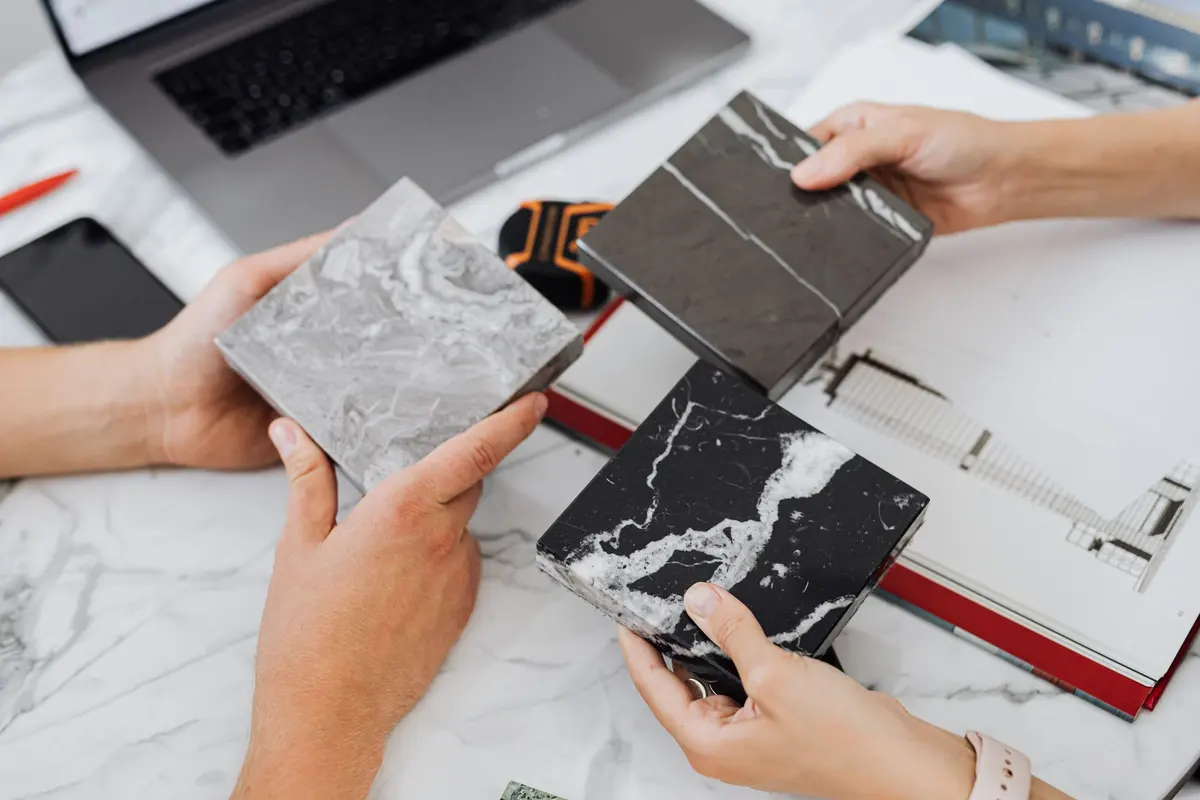
Floor removal & demo
Nobody sets out to buy floor removal. It shows up on the estimate, it is not the part of the project anyone was picturing, and it is the line that decides whether the new floor sits flat and stays flat. What you are paying for is a substrate that is clean, sound, dry and level enough for whatever goes on top of it.
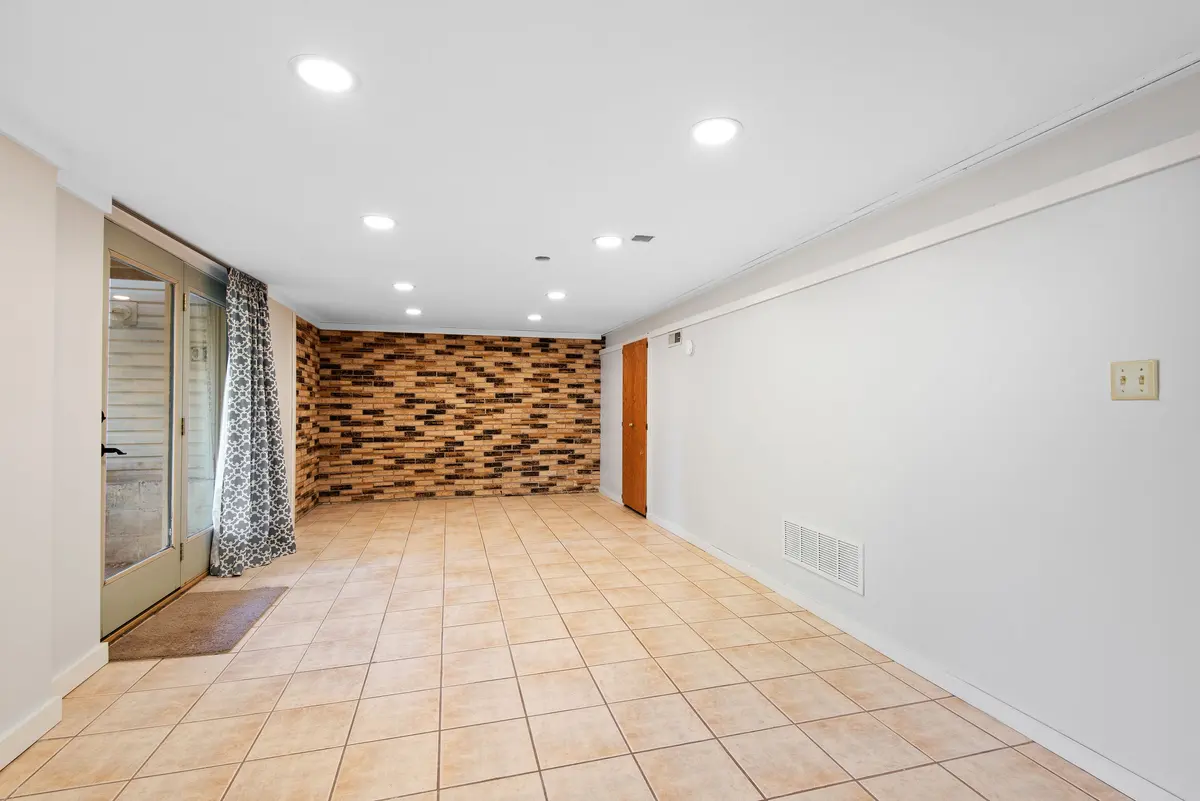
What floor removal is really buying you
Your warranty starts at the subfloor numbers
A new floor inherits everything wrong with the old substrate. Every manufacturer's warranty on the material you just picked out opens with flatness and moisture requirements for the subfloor, and if the substrate does not meet them, the eventual failure is treated as an installation problem rather than a product defect, and it lands on the homeowner. Removal and prep is the part of the job that puts your floor inside those numbers.
Nobody knows what is under the tile until it lifts
This is also the part that cannot be fully judged from the surface. We can see the carpet. We cannot see whether the tile beneath it was set on a skim of thinset or a full wire-lath mortar bed, or whether two layers of sheet vinyl are stacked from separate remodels, until it starts coming up.
The rest is plain labor: a tile floor out of a mid-sized house is tons of broken porcelain and mortar, bagged, carried through rooms you are still living in, and hauled away.
What's included
- Carpet, pad, tackless strip and staple removal
- Tile and thinset chipped and ground off the slab
- Glue-down vinyl and adhesive residue removal
- Suspect pre-1980 resilient flooring tested before disturbance
- HEPA-shrouded grinders and plastic containment
- Slab grinding, patching and self-leveling underlayment
- Moisture testing before glue-down installation
- Debris loaded and hauled off site
Carpet, tile and what hides under old vinyl
Every staple has to come out of the subfloor
Carpet and pad make the easy day. The carpet is cut into strips and rolled, the pad comes up, the tackless strip is pried off the perimeter, and then every staple gets pulled. That last step sounds trivial and is not, since a missed staple telegraphs as a hard bump through vinyl plank and eventually wears a hole in it from below. Floating laminate comes up nearly as fast and leaves nothing behind.
Thinset, not the tile, is the hard part of a tear-out
Tile is the difficult one, and the tile is not the reason. Tile breaks up quickly. What stays is the thinset, bonded to the concrete in hard ridges, and it has to be chipped and ground back flat before anything can bond to it or float over it.
If the original tile was set on a wire-lath mortar bed, common in bathrooms in older Terrell and Kaufman houses, you are removing an inch or more of reinforced concrete rather than a thin bonded layer. Glue-down vinyl and glue-down wood leave adhesive that has to come off mechanically, because fresh adhesive will not bond reliably through old adhesive.
Cutback adhesive under pre-1980 tile
Pre-1980 resilient flooring gets handled deliberately. Nine-inch vinyl-asbestos tile and the black cutback adhesive under it were ordinary products of that era, and either can contain asbestos. Left intact and covered they are harming nobody; attacked with a dry grinder they become airborne.
So anything suspect is sampled and tested before it is touched, never dry-sanded on an assumption. A positive result sends the removal to a licensed abatement firm and we follow behind. A clean result means it comes up wet, with residue taken off under vacuum.
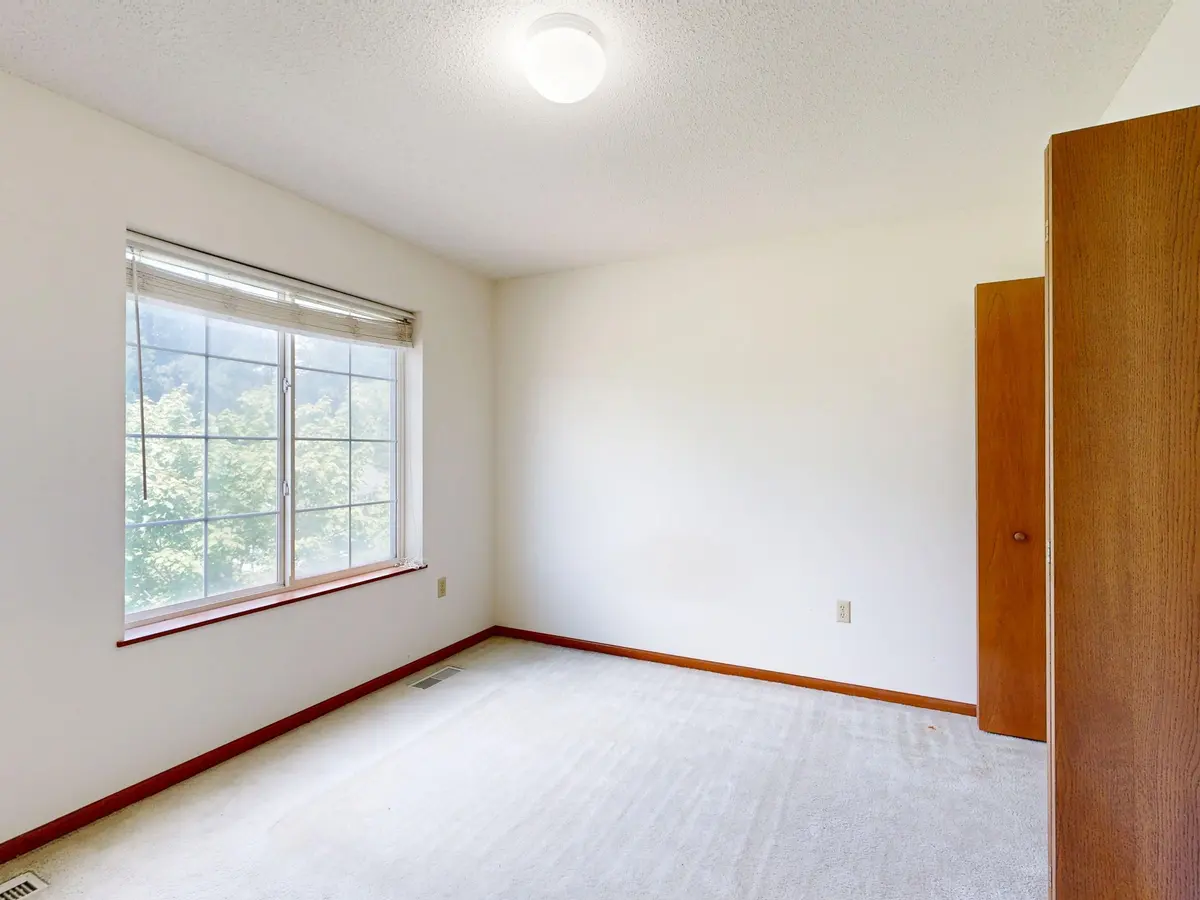
Dust control, grinding and self-leveler
Silica dust travels through the return air
Tile demolition produces respirable silica dust, and left alone it finds every room in the house through the return air. Containment is not an upsell. Plastic walls with zippered openings, supply registers and returns sealed off, and grinders running HEPA shrouds with vacuum at the tool rather than a broom afterward. The alternative is a fine gray film reappearing on baseboards and ceiling fans for months afterward.
Every material comes with a flatness number
Then comes flat, and every material has a number attached to it. Large-format tile wants an eighth of an inch in ten feet. Most click-together vinyl plank asks for roughly three sixteenths in ten feet. An open-plan run from the entry through the kitchen crosses enough slab to break either figure in a house that looks level to the eye.
High spots get ground down, low spots get filled with patching compound, and where a whole room is out it gets primed and poured with a self-leveling underlayment. On a slab taking glue-down material we test moisture first, since concrete reading high will release adhesive no matter how flat the surface is.
Rushed prep shows up at the twelve-month mark
The reason to be slow here is that haste does not show up at handover. It shows up around the twelve-month mark. Thinset ridges left in place become hollow spots that crack tile in the second year. A high spot under vinyl plank wears the print layer through in a stripe down the walkway. A dip under a click floor works the joints apart until they gap and tick underfoot. Old adhesive under new adhesive lets go quietly.
That is why this work stays with our own installers, most of whom have been with the business around twenty years, instead of going to a demolition sub whose job ends before the floor is ever laid.
What homeowners say
"All About Floors is amazing to work with! We recently had our entire flooring replaced and they not only did a wonderful job, the support and aftercare has been top notch! Highly recommend"
J Shoe2 · via Google "The team at All About Floors did an absolutely phenomenal job repairing a portion of a floor in my clients' home that nobody else would touch. We are so grateful for Patty and her amazing team!"
Carley Newlin · via Google
Floor removal & demo questions
Can you install the new floor over the old one instead of removing it?
Occasionally. A floating floor can go over sound, fully bonded tile in some situations. What stops it more often is height. Every inch you add changes door swings, thresholds, the transition into adjoining rooms, the clearance under a dishwasher and the fit of a refrigerator into its opening. You also inherit whatever is wrong with the old floor, flatness and cracks included.
How much dust will there be, and can we stay in the house?
With containment set up properly, most families stay. We build plastic barriers at the openings, seal the registers and returns in the work zone so nothing travels through the ductwork, and grind with vacuum attached at the tool. Expect noise, and expect the work zone off limits during the day. Demolition done without any of that is what people mean when the dust never seems to end.
Our house is from the 1970s and has nine-inch tiles. Is that asbestos?
It might be, and it should be tested rather than guessed at. Nine-inch tile and black cutback adhesive were both common then, and either can contain asbestos. Intact and covered, they are not a hazard. The risk comes from grinding or sanding them dry. We sample and test before anything is disturbed, and a positive result goes to a licensed abatement firm before we return to prep and install.
Who moves the furniture and appliances?
We handle standard furniture as part of the job. What we ask homeowners to handle beforehand is the fragile and irreplaceable: electronics, artwork, china, anything sentimental. Pianos, safes and gun safes are a separate conversation because of weight. Appliances get disconnected and pulled where the floor runs under them, which is worth deciding early, since a floor that stops at the refrigerator is hard to undo later.
Flexible financing available
Wisetack and Synchrony
Floor removal & demo by city
- Rockwall Floor removal & demo
- Forney Floor removal & demo
- Fate Floor removal & demo
- Terrell Floor removal & demo
- Royse City Floor removal & demo
- Heartland Floor removal & demo
- Heath Floor removal & demo
- Sunnyvale Floor removal & demo
- Kaufman Floor removal & demo
- Crandall Floor removal & demo
- McLendon-Chisholm Floor removal & demo
- Mabank Floor removal & demo
- Talty Floor removal & demo
- Combine Floor removal & demo
- Kemp Floor removal & demo
- Wills Point Floor removal & demo
- Rowlett Floor removal & demo
- Mesquite Floor removal & demo
- Garland Floor removal & demo
Other floors we install
-
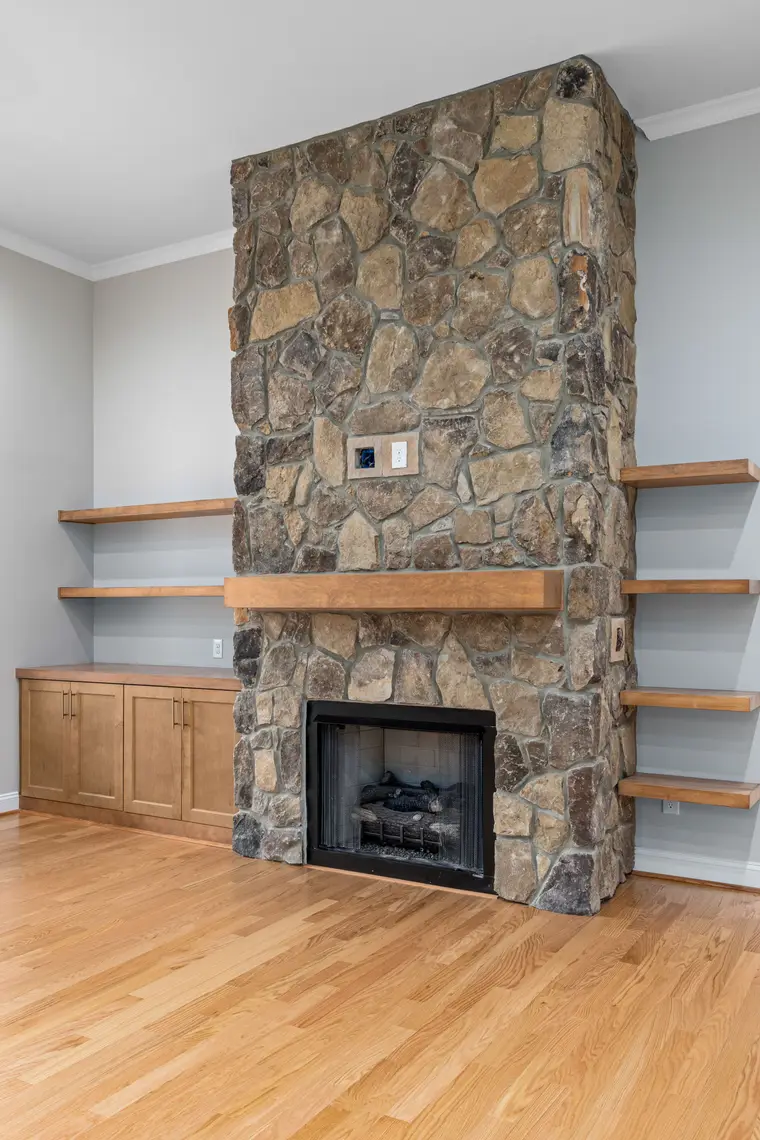
Hardwood installation
Solid and engineered hardwood installed over slab and pier-and-beam homes in Forney, Kaufman and Rockwall counties and the wider Dallas metro.
Learn more → -
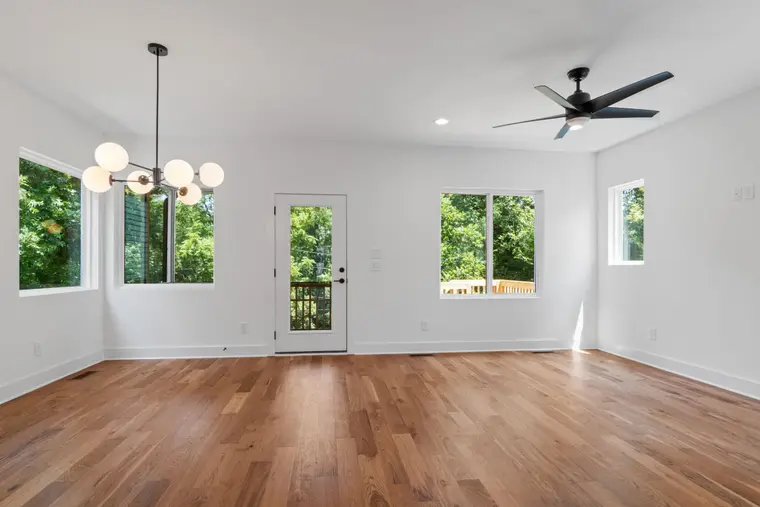
Hardwood refinishing & sanding
Sanding and refinishing existing hardwood floors across Forney, Kaufman and Rockwall counties, starting with an honest read on whether yours can be saved.
Learn more → -
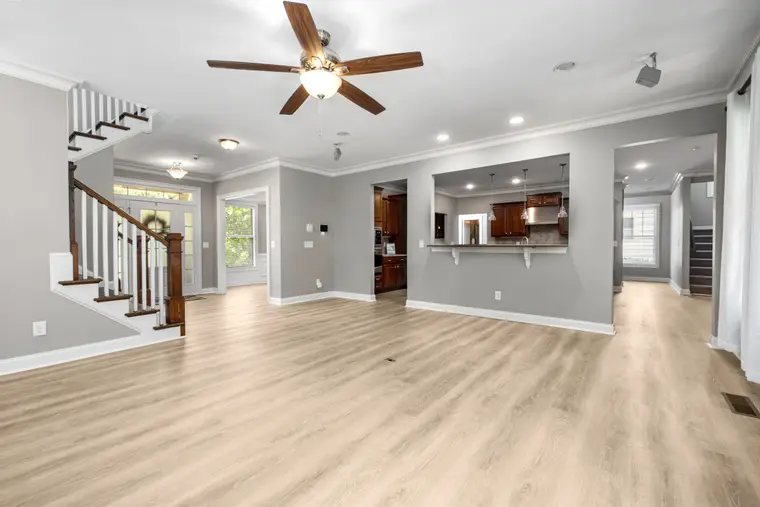
Luxury vinyl plank (LVP)
Luxury vinyl plank installed over slab in Forney, Rockwall and the Dallas metro, with the slab prep that keeps a floating floor tight and quiet.
Learn more → -

Laminate
Laminate flooring installed across Forney, Kaufman and Rockwall counties, with straight answers on AC ratings and the rooms it does not belong in.
Learn more → -

Tile
Porcelain, ceramic and natural stone tile set over properly prepped slabs in Forney and across the Dallas metro. Free in-home samples.
Learn more → -

Carpet
Carpet and pad for bedrooms, stairs and upstairs living areas, measured, seamed and power stretched throughout Forney and Kaufman County.
Learn more →
Ready for floors you'll actually love?
Free in-home estimate, clear pricing, and a crew that shows up when we say we will.