
Stairs & trim
Stairs and trim are the last ten percent of a flooring job and the first thing anyone looks at. A stair nosing sits at eye level and repeats the whole way up a flight, and a transition strip lands exactly where a foot meets it. We handle treads, risers, nosings, baseboard, shoe and the joints between rooms that finish at different heights.

The stair nosing is the part everyone sees
A nosing repeats at eye level all the way up
The nosing is the front edge of each tread, the piece that projects past the riser below it. On a flight of fourteen steps that edge repeats up the stairwell at eye level, lit from the side, and it is the only place in a house where the profile of your flooring is shown vertically. Get it wrong and it is the first thing a visitor notices without knowing why.
Color, sheen and profile are the three misses
Wrong usually means one of three things. The nosing came from a different production run, so the color reads a shade off. The sheen does not match, because factory nosings are coated on a different schedule than plank. Or the profile is a stock bullnose that does not sit flush with the thickness of the floor you chose, leaving a lip you feel underfoot.
Flush or overlap gets settled at the order
We specify nosings when the floor is specified, not afterward. Most engineered wood and vinyl plank lines are made with both a flush stair nose and an overlap stair nose, and which one applies depends on whether the tread is covered fully or the flooring stops short of the edge. Settling that before the order goes in avoids being left with only a near match.
What's included
- Stair nosings ordered from the same product line as the floor
- Retread caps over sound existing treads
- Full tread and riser replacement where framing has moved
- Loose framing screwed and shimmed before anything is covered
- Baseboard, shoe moulding and quarter round installed and finished
- Reducers, T-moldings and thresholds between floors of different heights
- Carpet terminated behind a nosing at landings and stair tops
What is under the carpet on a builder staircase
Builder stairs are framed never to be seen
Retreading is the most common stair job we do. A builder frames a staircase knowing it will be carpeted, so what is underneath is construction grade: pine or plywood treads with saw marks, risers never meant to be seen, and a rough stringer on the open side. Pulling the carpet takes an hour. Everything after that is carpentry.
Retread caps versus full tread replacement
There are two routes. Retread caps go over the existing treads, which leaves the framing intact and suits steps that are still solid. The tradeoff is thickness, because a cap raises every tread it covers, so the top and bottom steps get worked out deliberately to keep riser heights consistent through the flight.
Full replacement pulls the old tread and sets a new solid one, which is the answer where treads are cupped, split or cut into for a railing that is gone.
Painted risers under a stained tread
Risers are a separate decision. Painted white risers under a stained tread is the most requested combination in the newer subdivisions around Forney, because it lifts a dark stairwell and picks up trim already in the house. Stained risers read heavier and suit a traditional interior. Either way, this is when squeaks get dealt with, because once treads and risers are on nobody is getting back in there.
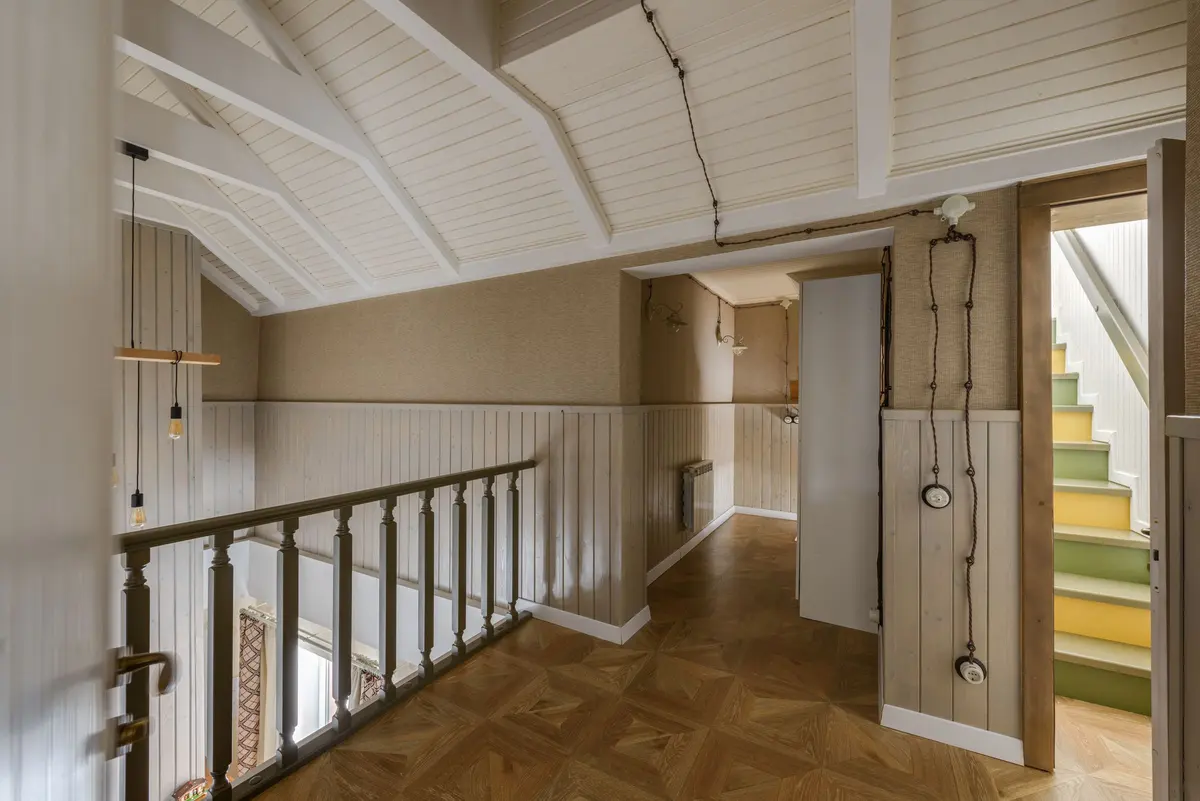
Baseboard, shoe moulding and two floors meeting
Shoe moulding sits slimmer than quarter round
Quarter round and shoe moulding do the same job and look different doing it. Quarter round is a true quarter of a circle with equal legs, so it comes into the room as far as it climbs the baseboard, and against flat square stock it reads chunky. Shoe is taller than it is deep and hugs the floor with a slimmer face, which usually looks better in houses built here since 2000.
Never nail the moulding down into the plank
The moulding is structural as much as cosmetic. A floating floor, laminate or click lock vinyl plank, has to move as the slab and framing move through a North Texas year, so it is laid with a gap at every wall and the moulding covers it. It gets nailed into the baseboard, never down into the plank. One fastener through the shoe into the floor pins it, and the floor reports that mistake the following August.
Reducers, T-moldings and tile sitting proud
Transitions handle rooms that finish at different heights. A reducer steps a thicker floor down to a thinner one, a T-molding joins two floors of equal height with the expansion gap running underneath, and a threshold closes an edge at a doorway.
Tile set over mortar in a bathroom almost always sits proud of the plank in the hall outside it, so that step gets planned at measure. Trim is unforgiving work, and a crew that has stayed together for two decades is where that shows.
What homeowners say
"All About Floors is amazing to work with! We recently had our entire flooring replaced and they not only did a wonderful job, the support and aftercare has been top notch! Highly recommend"
J Shoe2 · via Google "The team at All About Floors did an absolutely phenomenal job repairing a portion of a floor in my clients' home that nobody else would touch. We are so grateful for Patty and her amazing team!"
Carley Newlin · via Google
Stairs & trim questions
Can you match stair nosings to flooring already in my house?
Usually, if the product can be identified. Bring us a spare plank or a photo of the carton and we look for a nosing from the same line first. If it has been discontinued, a stain grade nosing finished on site gets closer than a stock profile in a similar color. We would rather say a true match is not achievable than install one that reads wrong on every step.
How long does a staircase take, and can we use the stairs while you work?
Most residential flights run two to three days once material is on hand, and the stairs are out of service for part of that. In a two story house with one staircase we sequence the work so the flight is walkable overnight, or split it and do half at a time. Tell us at the estimate if someone in the household cannot manage a detour.
Do the risers have to match the treads?
No, and most people choose not to. White painted risers under a stained tread is the standard look in newer Dallas area homes and it ties the staircase back to the baseboard and casing already in the house. Matching stained risers give a darker, more solid result. Decide before the treads go down, because cutting paint in cleanly around finished treads is slow work.
Will new treads stop my stairs from squeaking?
Only if the squeak is fixed on the way through, and covering it does nothing. The noise is movement, usually a tread flexing against a stringer or a loose riser rubbing the back of the tread above it. With the carpet off, the framing is visible for the only time in the life of the staircase, so that is when loose components get screwed and shimmed.
How should upstairs carpet meet a hardwood landing?
With a nosing at the landing edge and the carpet terminated behind it, rather than a metal strip laid across the joint. The nosing wraps the edge, the carpet is stretched and tucked to the back of it, and the seam sits under the lip where feet never catch it. It holds up better than a surface transition and looks deliberate instead of like two jobs meeting.
Flexible financing available
Wisetack and Synchrony
Stairs & trim by city
- Rockwall Stairs & trim
- Forney Stairs & trim
- Fate Stairs & trim
- Terrell Stairs & trim
- Royse City Stairs & trim
- Heartland Stairs & trim
- Heath Stairs & trim
- Sunnyvale Stairs & trim
- Kaufman Stairs & trim
- Crandall Stairs & trim
- McLendon-Chisholm Stairs & trim
- Mabank Stairs & trim
- Talty Stairs & trim
- Combine Stairs & trim
- Kemp Stairs & trim
- Wills Point Stairs & trim
- Rowlett Stairs & trim
- Mesquite Stairs & trim
- Garland Stairs & trim
Other floors we install
-
Hardwood installation
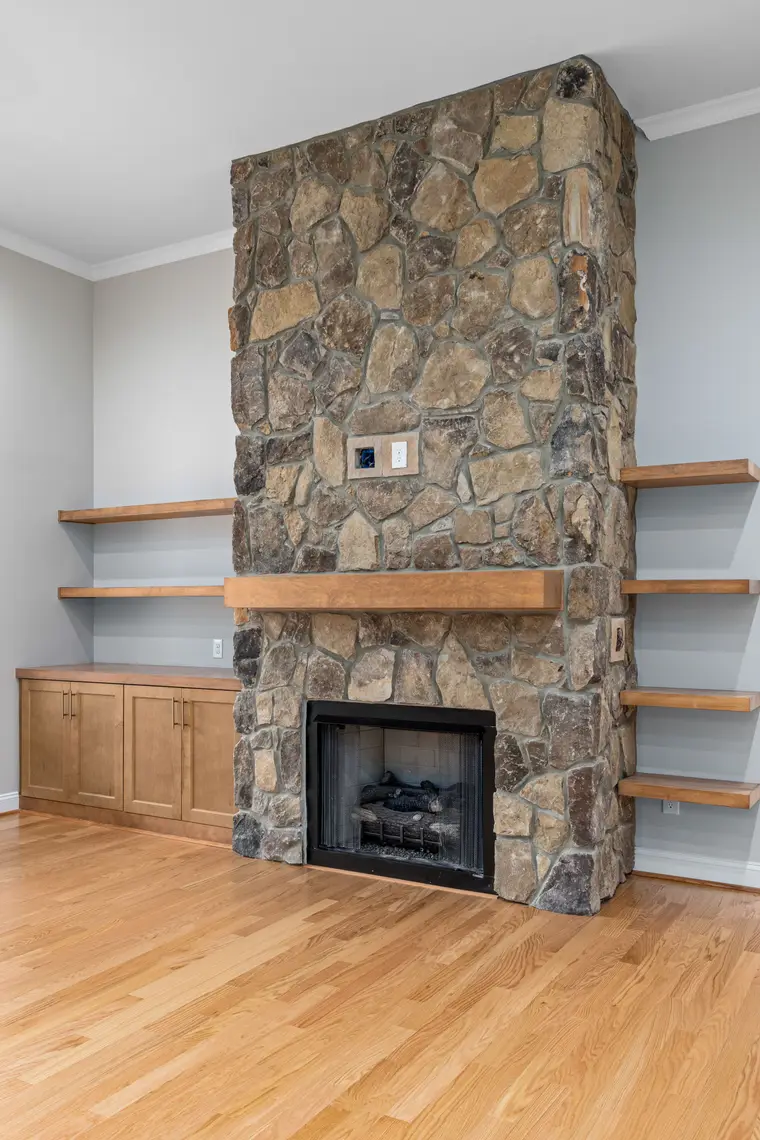
Solid and engineered hardwood installed over slab and pier-and-beam homes in Forney, Kaufman and Rockwall counties and the wider Dallas metro.
Learn more → -
Hardwood refinishing & sanding
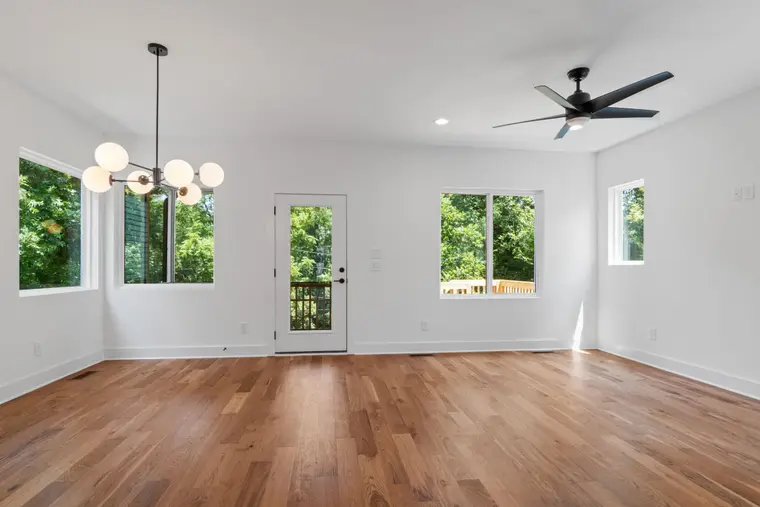
Sanding and refinishing existing hardwood floors across Forney, Kaufman and Rockwall counties, starting with an honest read on whether yours can be saved.
Learn more → -
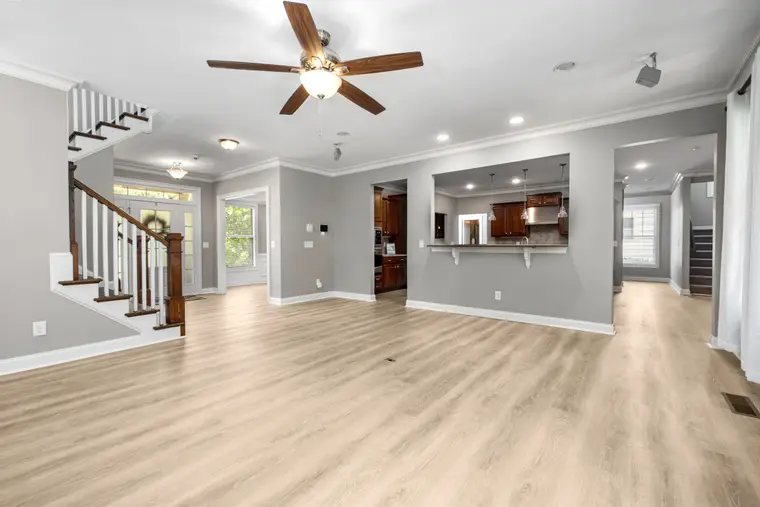
Luxury vinyl plank (LVP)
Luxury vinyl plank installed over slab in Forney, Rockwall and the Dallas metro, with the slab prep that keeps a floating floor tight and quiet.
Learn more → -

Laminate
Laminate flooring installed across Forney, Kaufman and Rockwall counties, with straight answers on AC ratings and the rooms it does not belong in.
Learn more → -
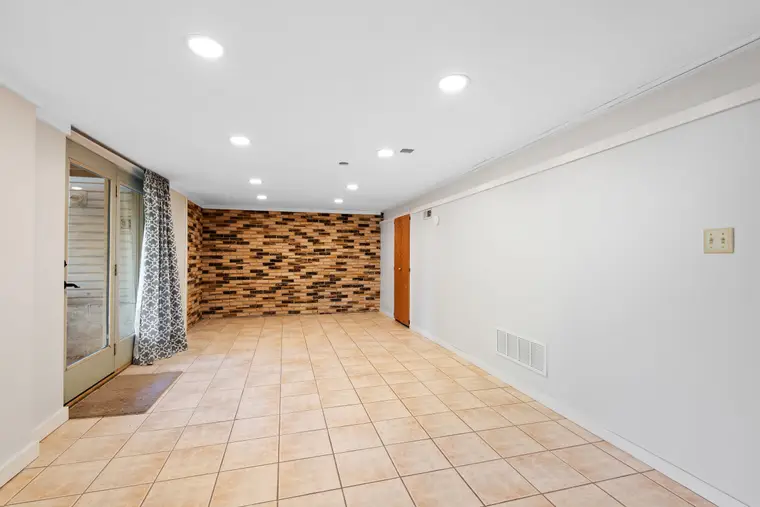
Tile
Porcelain, ceramic and natural stone tile set over properly prepped slabs in Forney and across the Dallas metro. Free in-home samples.
Learn more → -

Carpet
Carpet and pad for bedrooms, stairs and upstairs living areas, measured, seamed and power stretched throughout Forney and Kaufman County.
Learn more →
Ready for floors you'll actually love?
Free in-home estimate, clear pricing, and a crew that shows up when we say we will.