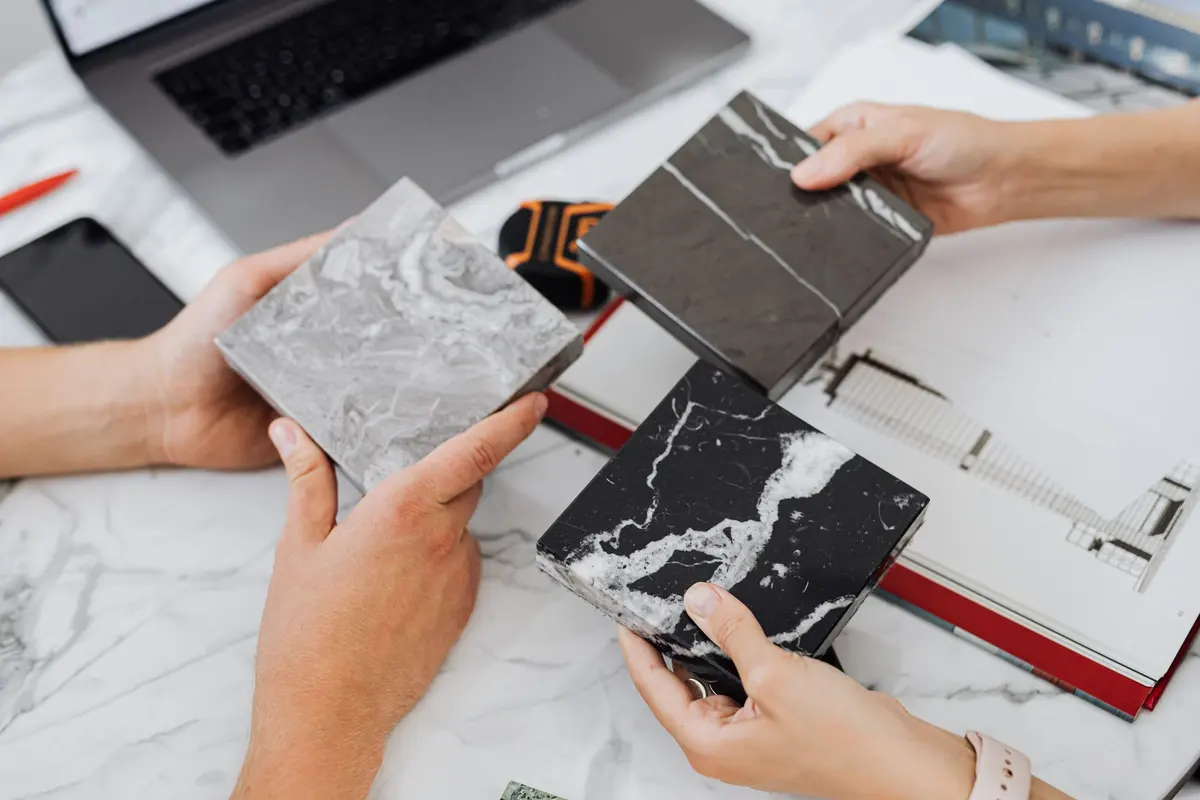
Hardwood installation
Wood is the one floor people still describe as an investment, and in North Texas the decision that matters most gets made before anyone opens a box. Nearly every house here sits on a concrete slab, which rules out some products, favors others, and changes how the floor is fastened down. We walk the rooms, test the slab, and tell you which of the three installation methods your house will actually accept.
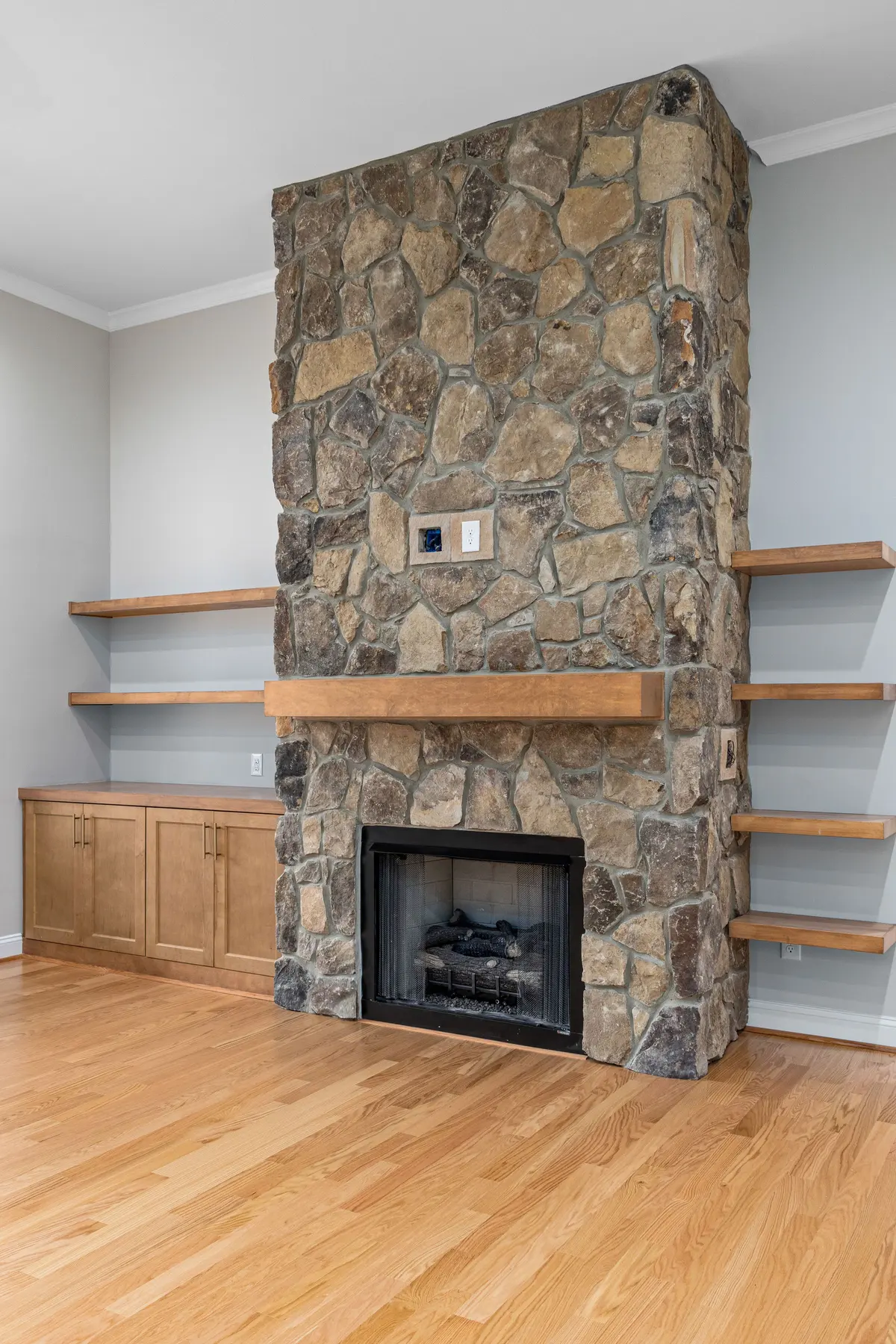
Why engineered wood wins on a Texas slab
Solid wood needs a subfloor to nail into
Solid hardwood is one piece of wood, usually three-quarters of an inch thick, designed to be nailed through its tongue into a wood subfloor. Most houses built in Forney, Heartland, Terrell and Royse City since the late 1990s do not have one. They are slab-on-grade, with concrete directly under the carpet pad and nothing to nail into.
A plywood sleeper deck over the slab makes solid wood possible, but it lifts the finished floor an inch or more, into cabinet toe kicks, door bottoms and the front threshold. It is rarely the sensible answer.
How cross-laminated plies stop plank movement
Engineered hardwood solves that honestly. The top layer is real sawn hardwood of whatever species you picked, and beneath it sit cross-laminated plies or a dense fiber core running perpendicular to the grain above. That construction is what stops the plank from expanding and shrinking across its width the way a solid board does, and it is why engineered can be bonded straight to concrete.
People sometimes assume engineered means imitation. It is not a photograph of wood. The surface you walk on is the same species you would have gotten in solid form.
Ask for the wear layer in millimeters
The one thing separating a good engineered floor from a disposable one is the thickness of that top layer. Ask for it in millimeters before you fall in love with a color. A thick wear layer keeps the option of sanding open decades from now; a paper-thin one makes the floor a single-life product. If you already have wood down and are weighing a fresh finish against a new floor, that is a different job.
What's included
- Solid and engineered wood matched to the subfloor
- Slab moisture testing before any glue-down
- Glue-down, floating and nail-down installation
- Grinding and patching to the manufacturer's flatness spec
- Door casings undercut and thresholds fitted
- Wide plank layouts set to the room's longest sight line
- Material acclimated inside the conditioned house
- One-year labor warranty on every installation
Glue-down, floating and nail-down compared
Glue-down gives the most solid floor underfoot
Glue-down is a full spread of adhesive troweled onto a prepared slab with the boards set into it. It gives the most solid floor underfoot, no hollow sound, no shifting when a loaded dresser gets dragged across it, and the modern urethane adhesives double as a moisture barrier over the concrete.
The trade is preparation. The slab has to be tested for moisture, then ground and patched until it meets the flatness the manufacturer requires, because adhesive fills nothing.
Why a floating field suits a moving slab
A floating floor is not fastened to anything. The planks lock to each other over a thin pad and the whole field moves as one piece inside an expansion gap at the perimeter. It goes down faster, forgives small imperfections in the slab, and in a house already moving with the clay underneath, letting the floor drift beats bonding it to a slab that is drifting.
It sounds slightly hollower than a glued floor, and long runs need that gap respected at every wall, jamb and hearth.
Post-tension slabs rule out nail-down
Nail-down applies only where there is a wood subfloor to nail into: the older pier-and-beam frame houses near downtown Forney and Terrell, and the second story of a two-story where the deck is plywood.
One local detail settles more jobs than homeowners expect. A large share of the newer subdivisions out here are built on post-tension slabs, with steel cables held under tension inside the concrete. You do not drill into those, which takes mechanical fastening off the table entirely and leaves glue or float.

Species, plank width and humidity swings
Finish hardness matters more than species
Species sets both the look and the hardness. White oak and hickory take a beating and hide it well, red oak has an open grain that camouflages daily wear, and walnut is beautiful and soft enough that a dog with untrimmed nails will write on it.
Hardness ratings are real, but they predict less than people think, because most of what you notice day to day is damage to the finish rather than the wood. A tough finish on a moderately hard species usually outperforms a very hard species under a soft coating.
Why wide planks show seasonal gaps more
Plank width is where fashion and physics argue. Wide boards, seven inches and up, are what almost everyone asks for now, and they suit the open plans in the newer neighborhoods.
Wood moves across its width rather than its length, so any seasonal gap that opens is spread across fewer, wider joints and shows more plainly than on a narrow strip floor. Engineered construction takes most of that movement out, which is another reason wide plank and engineered tend to arrive together.
Acclimation is measured, not counted in days
Acclimation is the step that gets skipped and the one that causes callbacks. North Texas runs humid all summer and then dry for months once the heat is on, and wood delivered off a warehouse rack is not at the moisture content your living room will hold.
The material sits inside the conditioned house with the HVAC running, never in the garage, and we take moisture readings of the wood and the slab rather than counting days on a calendar. The crew taking those readings has worked here about twenty years, and nothing goes to a subcontractor.
What homeowners say
"We had All About Floors install our wood floors in our home a couple years ago. They did a fantastic job and the price was very affordable. The crew they sent out moved our furniture and worked around our busy schedule with ease. All About Floors is the only floor company I would use and I am so thankful they are a part of the Crandall community!"
Dylan Roberts · Crandall · via Google "All About Floors is amazing to work with! We recently had our entire flooring replaced and they not only did a wonderful job, the support and aftercare has been top notch! Highly recommend"
J Shoe2 · via Google
Hardwood installation questions
Our house is on a post-tension slab. Does that limit our options?
It rules out anything that needs a fastener driven into the concrete, because the steel cables inside are under load and cutting one is a serious repair. On a wood floor that costs you nothing. Engineered plank is either bonded to the surface with a urethane adhesive or floated over a pad, and neither method touches the inside of the slab.
Can hardwood go in our kitchen?
Yes, and it is common here. Wood handles a dropped glass and a wiped-up spill without complaint. What it does not handle is standing water under a dishwasher, or an ice maker line that weeps for a month before anyone notices. Use engineered rather than solid, seal the run where the floor meets the cabinets, and keep full bathrooms on another material.
What happens to our baseboards and doors?
Baseboards usually stay put. We install to the wall and finish with shoe molding, which is cleaner than pulling trim that was caulked and painted in place. Door casings get undercut so the plank slides beneath them rather than being scribed around them, and if the new floor sits higher, interior doors get trimmed at the bottom.
Can you install wood over the tile that is already down?
Sometimes, but it is rarely the right answer. Tile adds height you carry into every doorway and appliance opening, and any drummy tile becomes a soft spot under the new floor. Taking it out gets us back to a slab we can test and grind. In pre-1980 houses, the black cutback adhesive under old tile needs careful handling rather than a dry grinder.
How much of the house has to be cleared while you work?
We work in sections where we can, but a wood floor wants one continuous run, so an open plan comes out better in a single pass. Furniture moves ahead of the crew, and on a glued floor you stay off the fresh area until the adhesive has grabbed, normally overnight.
Flexible financing available
Wisetack and Synchrony
Hardwood installation by city
- Rockwall Hardwood installation
- Forney Hardwood installation
- Fate Hardwood installation
- Terrell Hardwood installation
- Royse City Hardwood installation
- Heartland Hardwood installation
- Heath Hardwood installation
- Sunnyvale Hardwood installation
- Kaufman Hardwood installation
- Crandall Hardwood installation
- McLendon-Chisholm Hardwood installation
- Mabank Hardwood installation
- Talty Hardwood installation
- Combine Hardwood installation
- Kemp Hardwood installation
- Wills Point Hardwood installation
- Rowlett Hardwood installation
- Mesquite Hardwood installation
- Garland Hardwood installation
Other floors we install
-
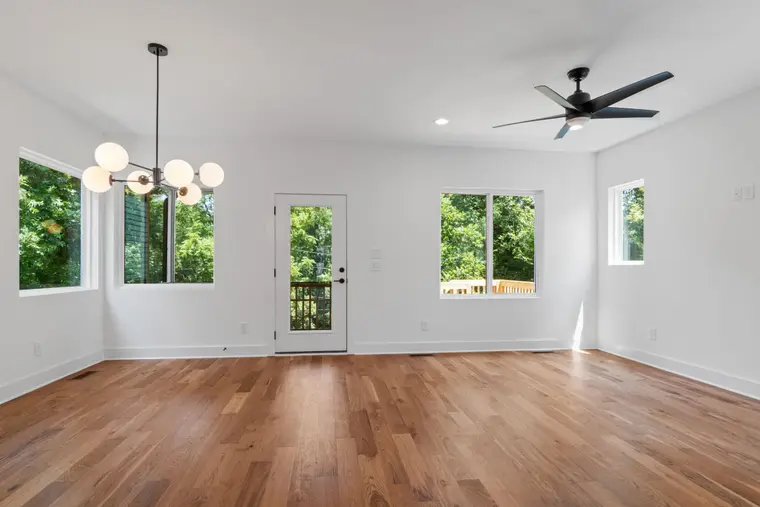
Hardwood refinishing & sanding
Sanding and refinishing existing hardwood floors across Forney, Kaufman and Rockwall counties, starting with an honest read on whether yours can be saved.
Learn more → -
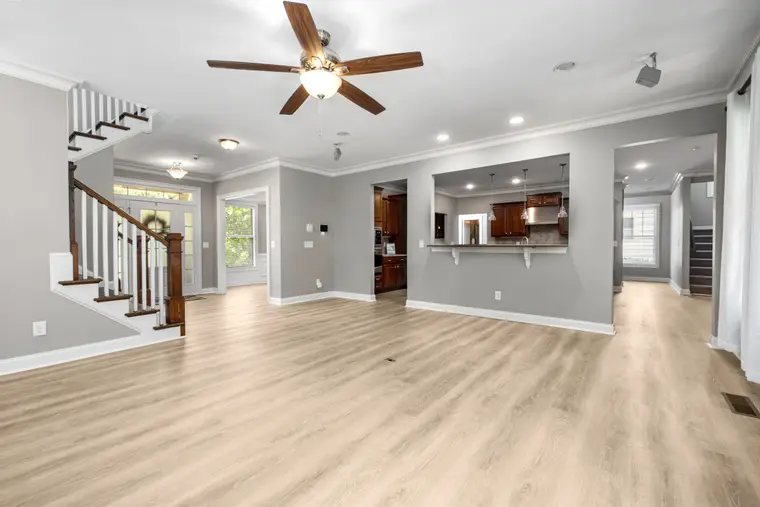
Luxury vinyl plank (LVP)
Luxury vinyl plank installed over slab in Forney, Rockwall and the Dallas metro, with the slab prep that keeps a floating floor tight and quiet.
Learn more → -
Laminate
Laminate flooring installed across Forney, Kaufman and Rockwall counties, with straight answers on AC ratings and the rooms it does not belong in.
Learn more → -
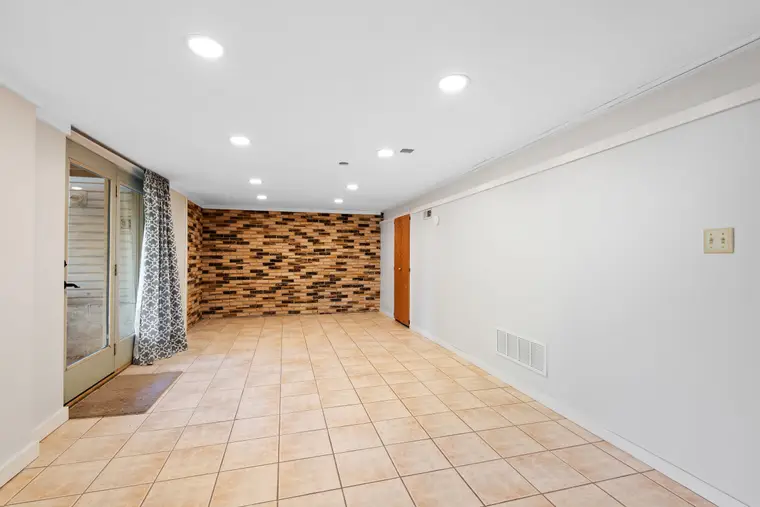
Tile
Porcelain, ceramic and natural stone tile set over properly prepped slabs in Forney and across the Dallas metro. Free in-home samples.
Learn more → -

Carpet
Carpet and pad for bedrooms, stairs and upstairs living areas, measured, seamed and power stretched throughout Forney and Kaufman County.
Learn more → -
Floor removal & demo
Tile, thinset, carpet and old vinyl removed and hauled off, and the slab ground flat, for homes across Forney, Kaufman and Rockwall counties.
Learn more →
Ready for floors you'll actually love?
Free in-home estimate, clear pricing, and a crew that shows up when we say we will.